Why Do Onions Make You Cry?
Sulfuric acid released when cutting onions triggers tear production as a protective response.
Read MoreUnderstanding the science behind everyday things empowers you to make better decisions for your health, home, and environment.
Know which food myths to ignore, how sleep truly affects your body, and what science says about everyday health claims.
Understand how your appliances work, save energy with evidence-based tips, and make your household more efficient.
Learn your real water and carbon footprint, discover which eco-friendly practices actually matter, and cut through greenwashing.
Separate fact from fiction, spot misinformation, and build a scientific mindset that serves you in every area of life.
Dive into the science that touches your life every day
Maillard reactions, food safety, microwave physics & more
Sleep science, nutrition facts, exercise physiology
Appliance physics, insulation, water heating efficiency
Photosynthesis, soil science, weather patterns
Debunking common misconceptions with real evidence
Calculators, converters & checklists for daily life
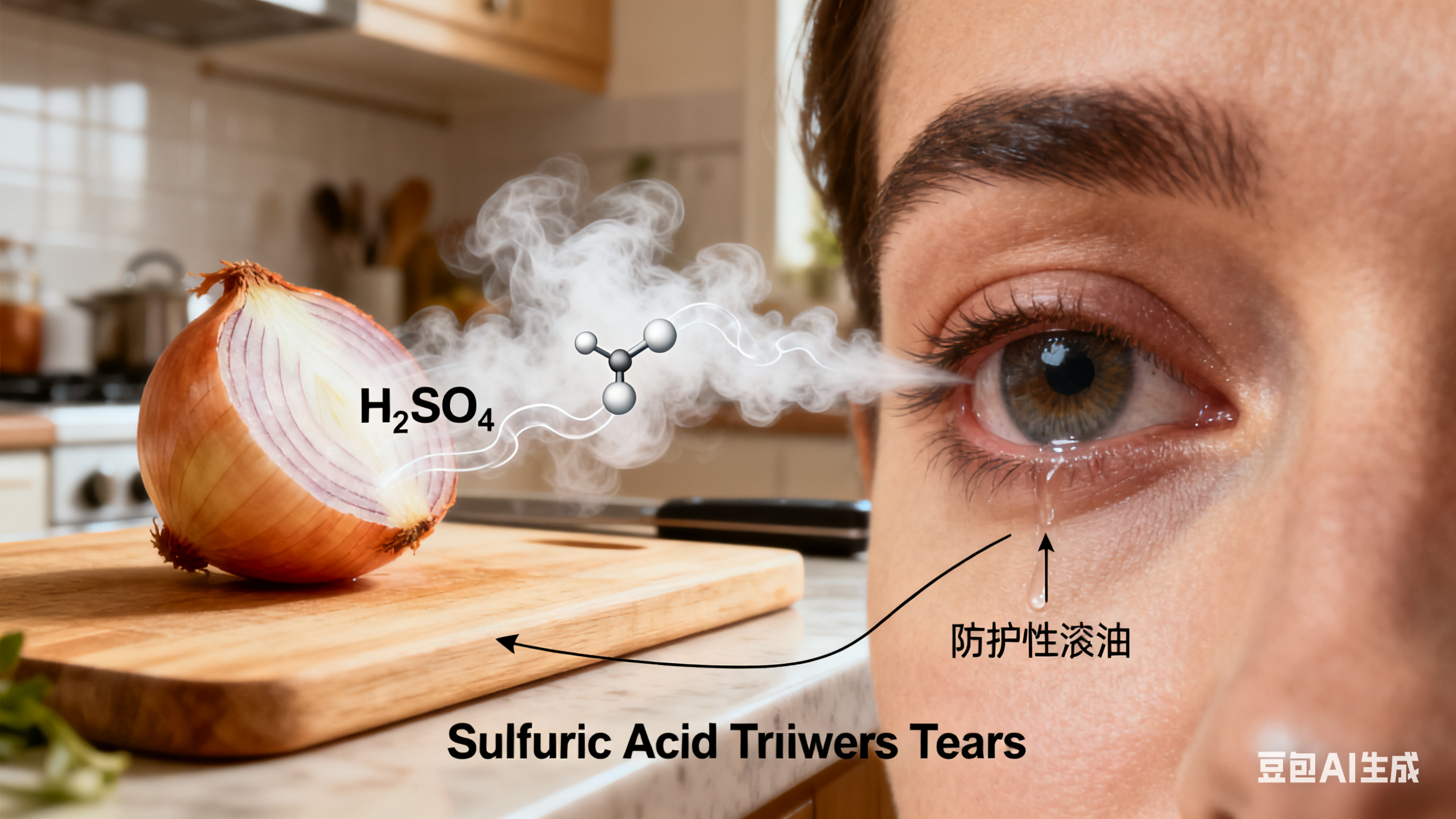
Sulfuric acid released when cutting onions triggers tear production as a protective response.
Read More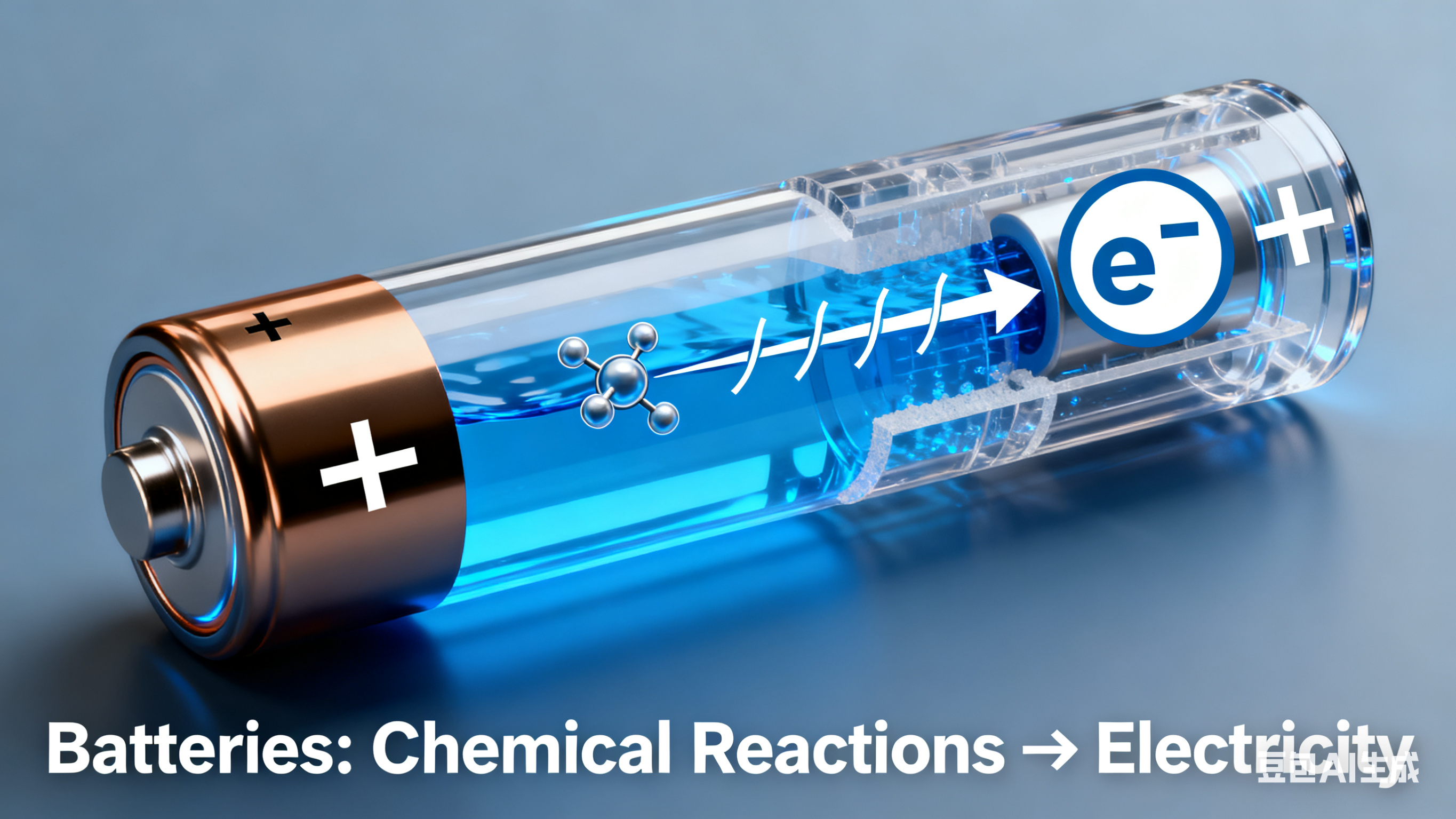
Chemical reactions inside batteries convert stored energy into electrical energy through electron flow.
Read More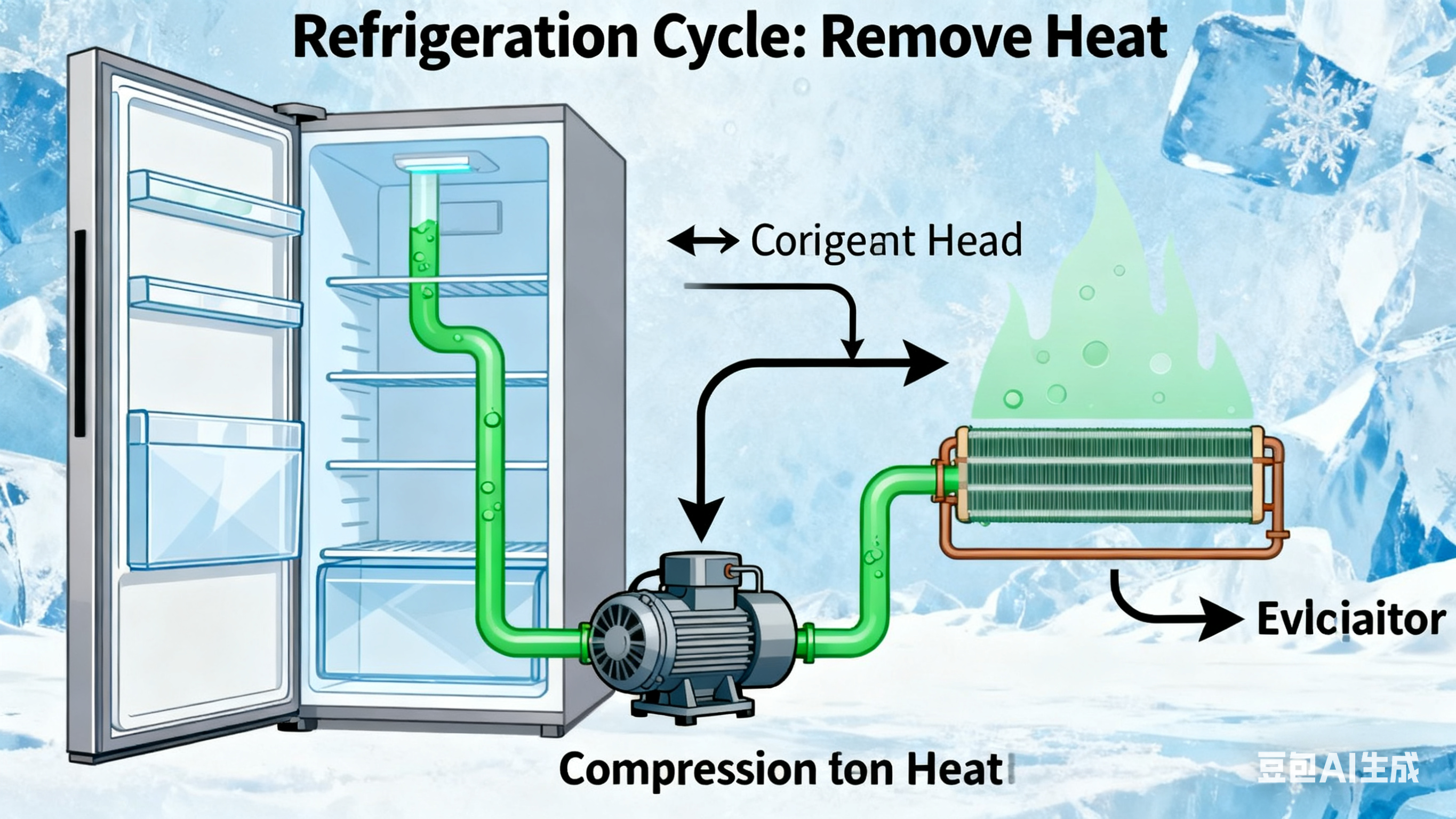
The refrigeration cycle removes heat from the interior using refrigerant gas that expands and contracts.
Read More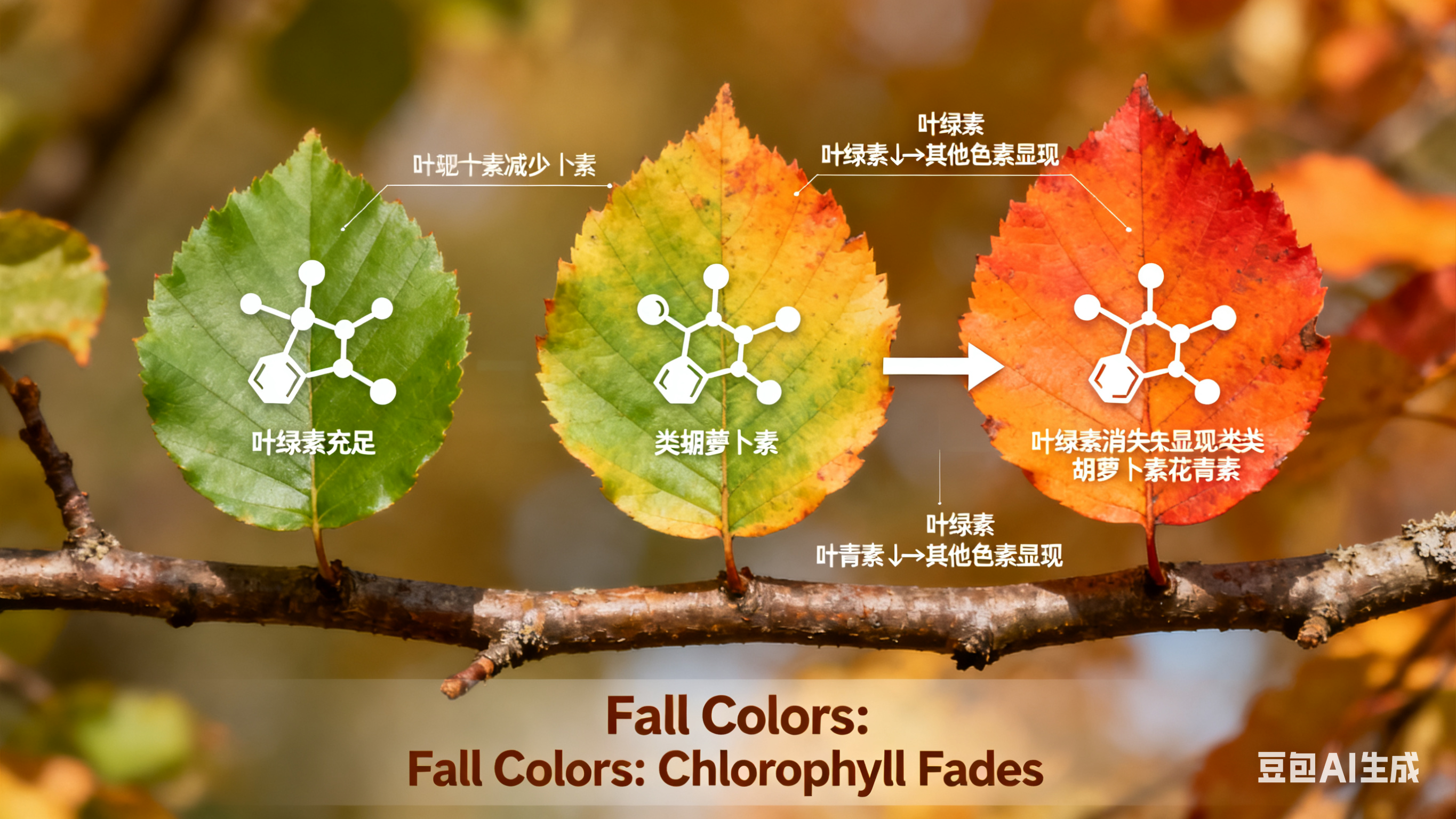
Chlorophyll production decreases in autumn, revealing other pigments like carotenoids and anthocyanins.
Read More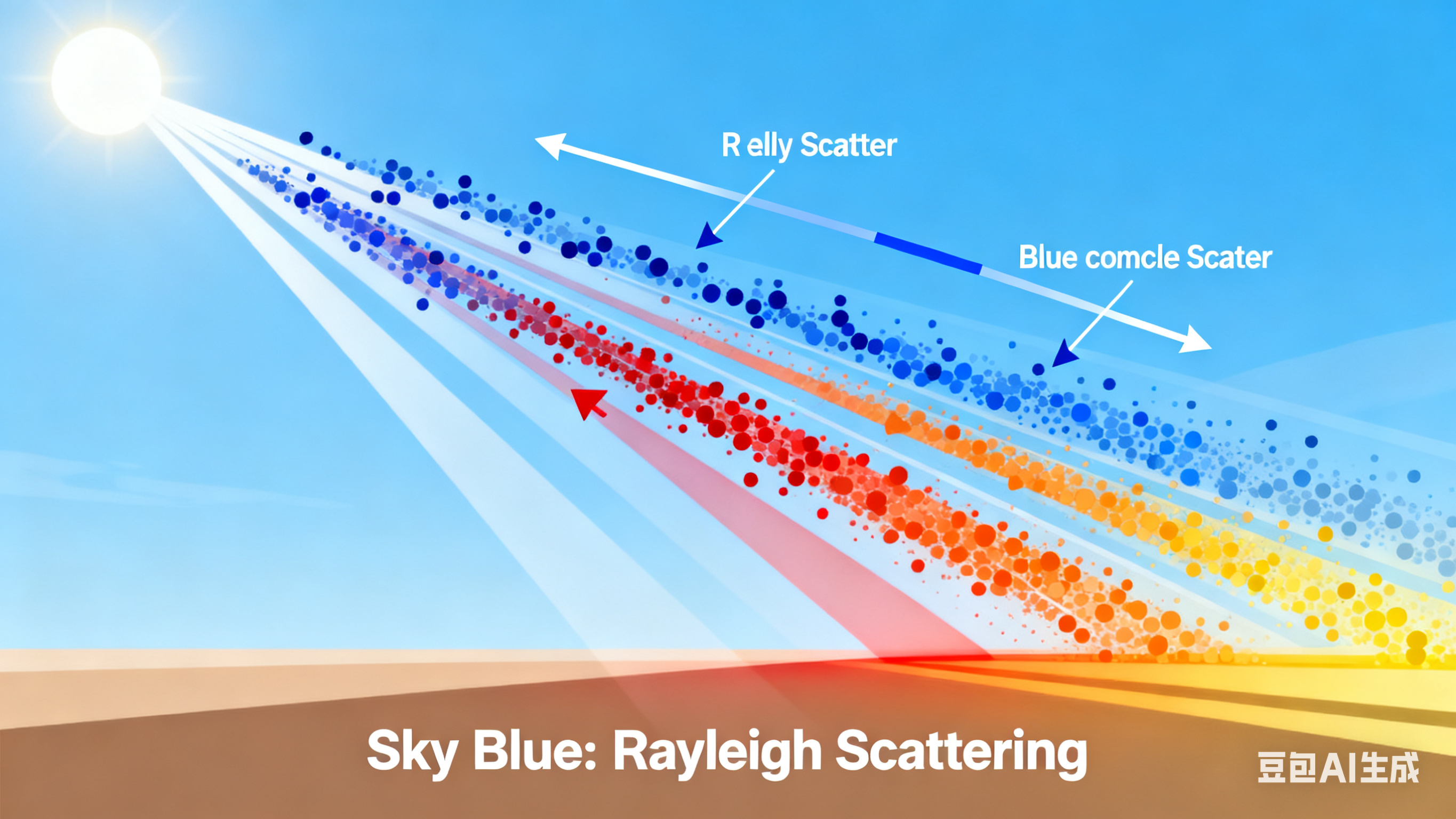
Rainbows occur when light is refracted, reflected, and dispersed through water droplets in the air.
Read More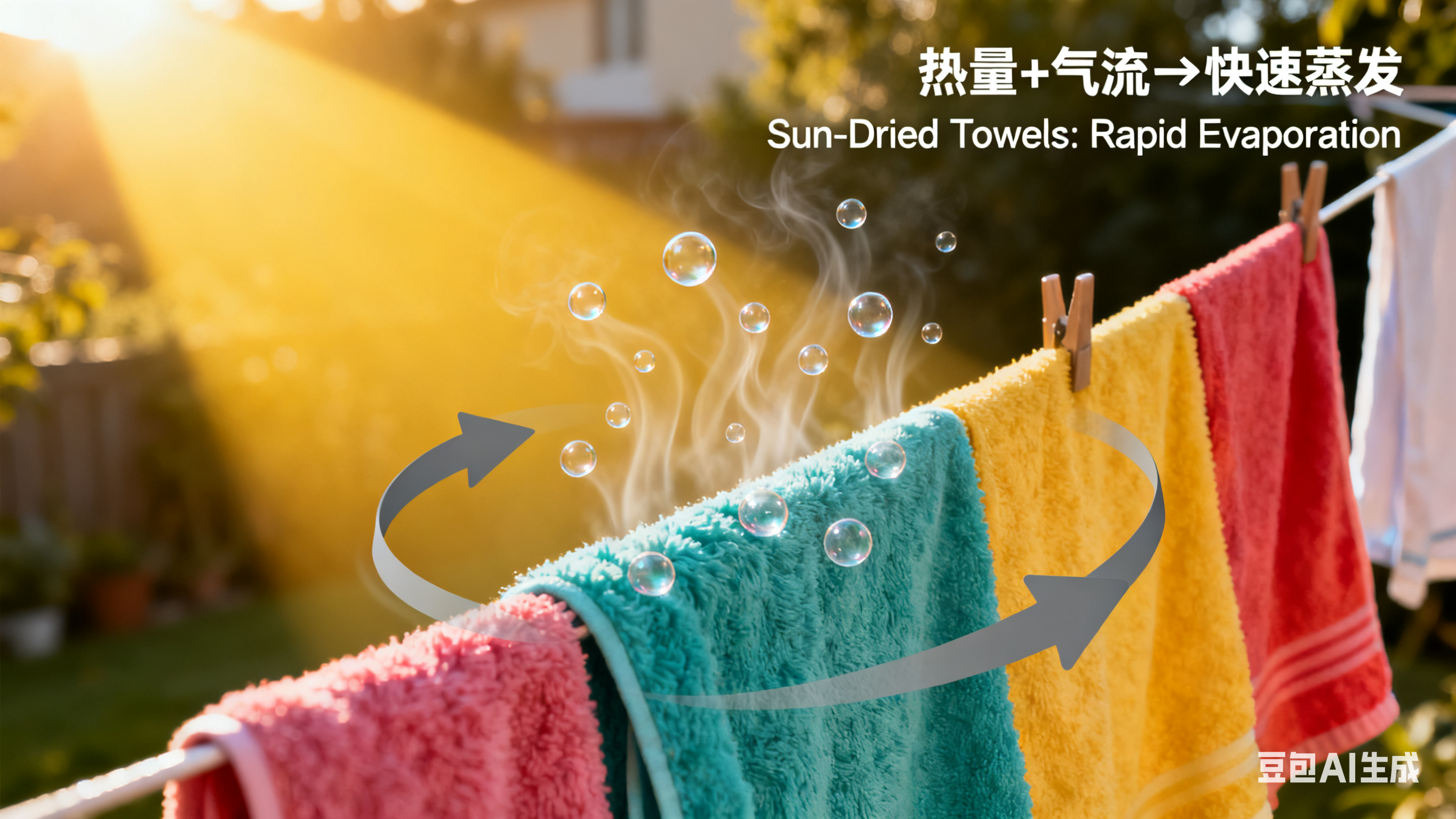
Cell phones communicate using radio waves sent and received through cellular networks and towers.
Read More
Soap molecules have hydrophilic heads and hydrophobic tails that break down and lift away dirt and oils.
Read More
Echoes happen when sound waves bounce off hard surfaces and return to the listener after a delay.
Read More
Chlorophyll production decreases in autumn, revealing other pigments like carotenoids and anthocyanins.
Read More
Rainbows occur when light is refracted, reflected, and dispersed through water droplets in the air.
Read More
Cell phones communicate using radio waves sent and received through cellular networks and towers.
Read More
Soap molecules have hydrophilic heads and hydrophobic tails that break down and lift away dirt and oils.
Read More
Echoes happen when sound waves bounce off hard surfaces and return to the listener after a delay.
Read More
The Maillard reaction creates delicious flavors and aromas when proteins and sugars react under heat.
Read More
Sleep is crucial for memory consolidation, waste removal from the brain, and overall health restoration.
Read More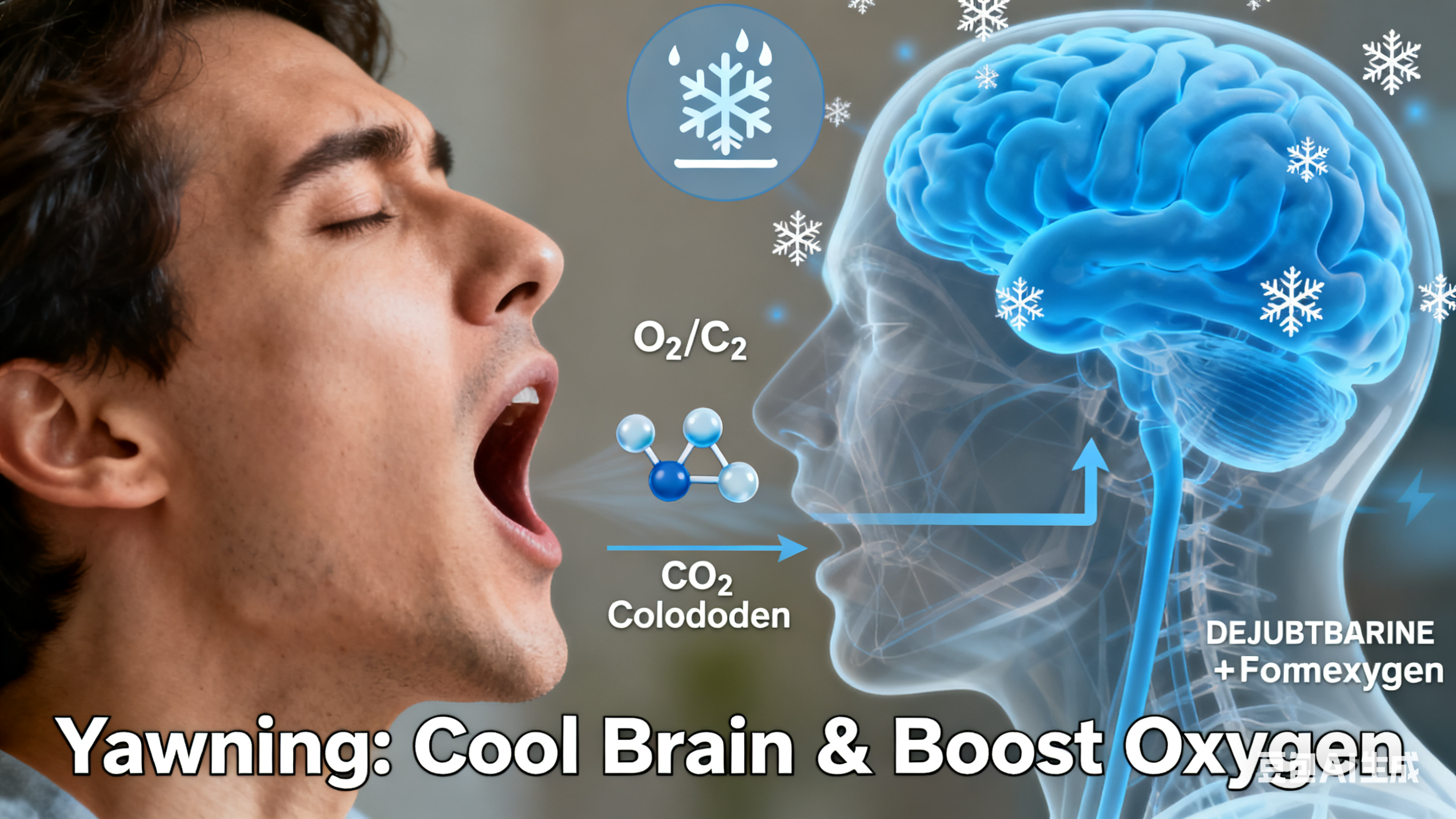
Trees absorb carbon dioxide during photosynthesis and store carbon, reducing greenhouse gas levels.
Read MorePractical calculators and checklists for everyday decisions
Calculate your daily water usage and find ways to conserve
Estimate calories in common meals with our quick calculator
Check your Body Mass Index with a science-backed tool
Instantly convert between Celsius, Fahrenheit & Kelvin
Step-by-step guide to reducing your home energy bill
Essential food safety and kitchen hygiene checklist
Warm water actually reaches boiling point more quickly than cold water.
DebunkHeat loss depends on body surface area, not just the head.
DebunkVitamin A helps maintain vision, but doesn't enhance it beyond normal levels.
DebunkResearch shows no link between knuckle cracking and arthritis development.
DebunkSkin retracts after death, creating the illusion of continued growth.
DebunkModern neuroscience shows most of the brain is active even during simple tasks.
DebunkStudies show goldfish can remember things for months and learn simple tasks.
DebunkSurprising science facts you can share today
Every article is grounded in peer-reviewed research and authoritative sources
We review peer-reviewed studies from journals and authoritative institutions like WHO, CDC, and NASA.
Complex findings are translated into clear, practical language anyone can understand and apply.
Each article links to its original sources so you can verify claims and explore further on your own.
When new research emerges, we update our content to reflect the latest scientific consensus.
Get weekly science insights delivered to your inbox — practical tips, myth busting, and fascinating facts about the science around you.
No spam, ever. Unsubscribe anytime. We respect your privacy.